
Blog
Why does my dishwasher smell?
23.04.2026
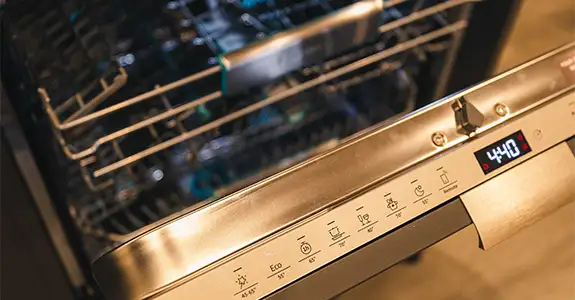
If your dishwasher is producing a bad smell or unpleasant odours, you’re not alone. Smelly dishwashers are a common household problem and are often caused by simple issues that are easy to fix. In most cases, a few basic maintenance steps can eliminate dishwasher odours and restore freshness. Below, we explain the most common causes of a bad smelling dishwasher and share practical tips on how to prevent and resolve the problem.
Common Types of Dishwasher Smells
Dishwashers can develop a range of unpleasant smells, each caused by a different underlying issue. Below, we’ve outlined the most common dishwasher odours and what typically causes them.
Why Does My Dishwasher Smell Like Fish?
A fishy odour coming from your dishwasher can be unpleasant, it’s usually caused by one of a few common issues…
- Usually clogged filter with rotting food debris
- Grease and food particle buildup
Why Does My Dishwasher Smell Like Rotten Eggs?
If your dishwasher is giving off a rotten egg smell, one of these issues is likely the culprit…
- Sulphur bacteria in standing water or the drain
- Hydrogen sulphide gas buildup
Why Does My Dishwasher Smell Like Wet Dog?
A damp, mouldy, or wet dog smell coming from your dishwasher is unpleasant and usually points to one of a few common problems…
- Mould and mildew growth in rubber seals
- Damp conditions and poor ventilation
Why does my dishwasher have a Musty/Sewage Smell?
These reasons could cause a sewage type smell from your dishwasher…
- Drain hose issues or improper venting
- Connection to garbage disposal problems
What are the Main Causes of Smelly Dishwashers
If your dishwasher has started to smell, it’s usually the result of build‑ups happening behind the scenes. Food residue, grease and trapped moisture can collect over time, especially in areas that aren’t cleaned regularly. These issues are often easy to overlook, but they’re some of the most common reasons a dishwasher begins to develop unpleasant odours.
Dirty or Clogged Filter - Most common culprit
The filter is located at the bottom of the dishwasher and catches all the food debris as your dishwasher is draining, this can become clogged and cause a smell.
Mouldy Door Seals and Gaskets - Hidden bacteria breeding ground
The rubber seals are found round the edge of your dishwasher door to stop water escaping during the cycle, as these get wet and if not properly ventilated, they can grow mouldy.
Clogged Spray Arms
The spray arms supply water during your dishwasher cycle and distribute water throughout the interior. They can become clogged with food debris or mould and mildew from poor ventilation.
Drain Hose and Pump Issues
If the drain hose or pump becomes blocked this could create a smell due to standing water growing bacteria.
Hard Water and Limescale Buildup
Limescale can build up on the inside of your dishwasher, especially in areas of hard water, this can trap food and then grow bacteria which can create a smell.

How Do You Get Rid of Bad Smell in the Dishwasher?
Now the most important part is to get rid of the smell, thoroughly cleaning your dishwasher will help to remove any smells from the interior that could be from a build-up of food debris, bacteria or mould.
Step 1: Clean the Filter Thoroughly
Remove, rinse, scrub with brush
Step 2: Deep Clean with Vinegar and Baking Soda
Place cup of white vinegar on top rack, run hot cycle
Sprinkle baking soda on bottom, run short hot cycle
Step 3: Clean the Door Seals
Wipe rubber gaskets with cloth and mild cleaner
Remove visible mould and mildew
Step 4: Check and Clean Spray Arms
Remove and unclog holes with toothpick and rinse thoroughly
Read How to clean your dishwasher for detailed instructions of these steps
Step 5: Inspect the Drain Hose
Check for kinks, blockages, or standing water
Read How to remove your dishwasher for instructions on how to find the drain hose
Professional recommendation: You may need a professional to help if there are blockages in the drain hose
How to Prevent Dishwasher Smells
Once the smell has gone and you dishwasher is refreshed, follow these steps to keep it that way…
Clean filter monthly - Most important prevention step
Remove, rinse, scrub with brush.
Read How to clean your diswasher for detailed instructions on how to clean the filter.
With a self‑cleaning filter built in, the Hisense HS663A90BXUK removes the need for manual filter cleaning.
Scrape plates before loading
Scrape plate before loading to reduce the amount of food debris that can build up during each cycle, however you do not need to rinse.
Read How to stack your dishwasher to find detailed instructions of this.
Leave door ajar after cycles
Leaving the door ajar allows proper air circulation and ventilation to reduce mould build up.
The Hisense HV663A60UK features and auto dry feature where the door pops open once the cycle is finished.
Run hot water before starting
Frequently running a hot cycle with an empty dishwasher will help to dissolve grease from the interior.
Use quality detergent and rinse aid
Run regular maintenance cycles
Run the self-cleaning programme regularly to deep clean the interior.
Wipe seals weekly
Use a damp cloth to wipe away any food debris or grease from the seals of your dishwasher to prevent mould build up.
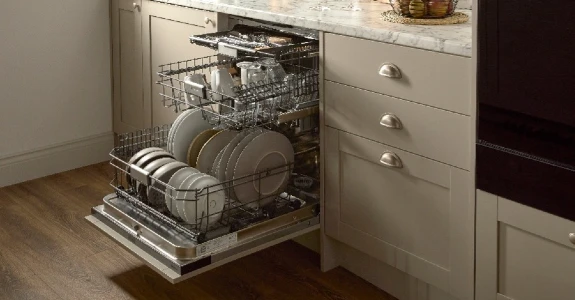
When to Call a Professional (or Consider Replacement)
Sometimes the smell can persist, and this is a sign of a greater problem with the drainage system or damage to your dishwasher.
Persistent smell despite thorough cleaning
If you have followed all of the cleaning processes and the smell still won’t go away there might be too much damage to the interior and you may need to buy a replacement.
Drain issues or mechanical problems
If you suspect that your drain is blocked or clogged or there are mechanical plumbing issues you may need a professional to fix it.
Damaged seals or pump failure
You may be experiencing leaks due to damaged seals or pump failure you will need a professional or a replacement.
Old units with worn components
If your worn-out components are causing food or water to become trapped in areas of your appliance, you may need to consider a replacement.
If you need a replacement dishwasher shop Hisense Dishwashers now
To help tackle unpleasant dishwasher smells, Hisense dishwashers are equipped with several features designed to keep things fresh and hygienic.
The Hisense HS663A90BXUK features a self-cleaning filter which means you won’t need to clean it yourself thanks to the rinsing system and automatic clogging prevention, the filter will work flawlessly with little maintenance.
The Hisense HV693A60UVADUK features a Hygiene guard with UV technology this function sanitises the water with UV light, removing up to 99.9% of bacteria from the rinsing water, ensuring an added level of hygiene for your dishes.
Most dishwasher smells can be resolved with proper cleaning and regular maintenance, and hopefully this guide has helped you identify and tackle the issue. However, if unpleasant odours persist despite your efforts, it could indicate a deeper problem or underlying damage. In that case, it may be time to seek professional help or consider replacing your dishwasher to keep your kitchen fresh and running smoothly.
Ready for a fresh start? Explore Hisense dishwashers with advanced filtration and anti-bacterial technology:
Best Dishwashers for UK Homes | Hisense UK
Once your machine is smelling fresh, learn how to keep it that way with useful tips in our dishwasher guides: