
Blog
What makes a good 4K gaming TV?
10.07.2026
Gaming has never looked better.
Modern consoles and gaming PCs are capable of delivering stunning 4K graphics, realistic lighting effects and incredibly smooth gameplay. But to get the most from your setup, you need a TV that can keep up.
A great gaming TV isn't just about resolution. Features like refresh rate, HDMI 2.1, Variable Refresh Rate (VRR) and low input lag can make a significant difference to how games feel and perform.
Whether you're exploring vast open worlds, competing online or enjoying cinematic single-player adventures, here's what to look for when choosing a 4K TV for gaming.
The best 4K gaming TVs combine sharp 4K picture quality with fast refresh rates, low input lag and gaming features such as HDMI 2.1 and VRR to create a smoother, more responsive experience.
Why 4K Matters for Gaming
Gaming has evolved dramatically over the last decade.
Today's consoles and gaming hardware are capable of producing incredibly detailed worlds, realistic textures and cinematic visuals. And a 4K TV allows you to see more of that detail exactly as developers intended.
Compared with Full HD, 4K resolution delivers:
- Sharper textures
- More detailed environments
- Improved visual realism
- Better clarity on larger screens
- Greater immersion
From racing games and sports titles to action adventures and RPGs, 4K helps bring every world to life.
Refresh Rate: Why 120Hz and 144Hz Matter
Gamers know that one of the most important specifications for gaming is the refresh rate.
Refresh rate refers to how many times the screen updates every second.
A standard TV typically refreshes at 60Hz, meaning the image updates 60 times per second.
Gaming-focused TVs can support:
- 120Hz – this is also available for PS5 and Xbox Series X in selected titles
- 144Hz
Higher refresh rates help create:
- Smoother motion
- Better responsiveness
- Reduced motion blur
- Improved competitive performance
This is particularly noticeable in fast-paced games such as:
- First-person shooters
- Racing games
- Sports titles
- Competitive multiplayer games
Selected Hisense gaming TVs support up to 144Hz Game Mode PRO, helping players enjoy smoother and more responsive gameplay. In order to unlock the full power of the 4K TV, you also need to also explore a HDMI 2.1 connection.
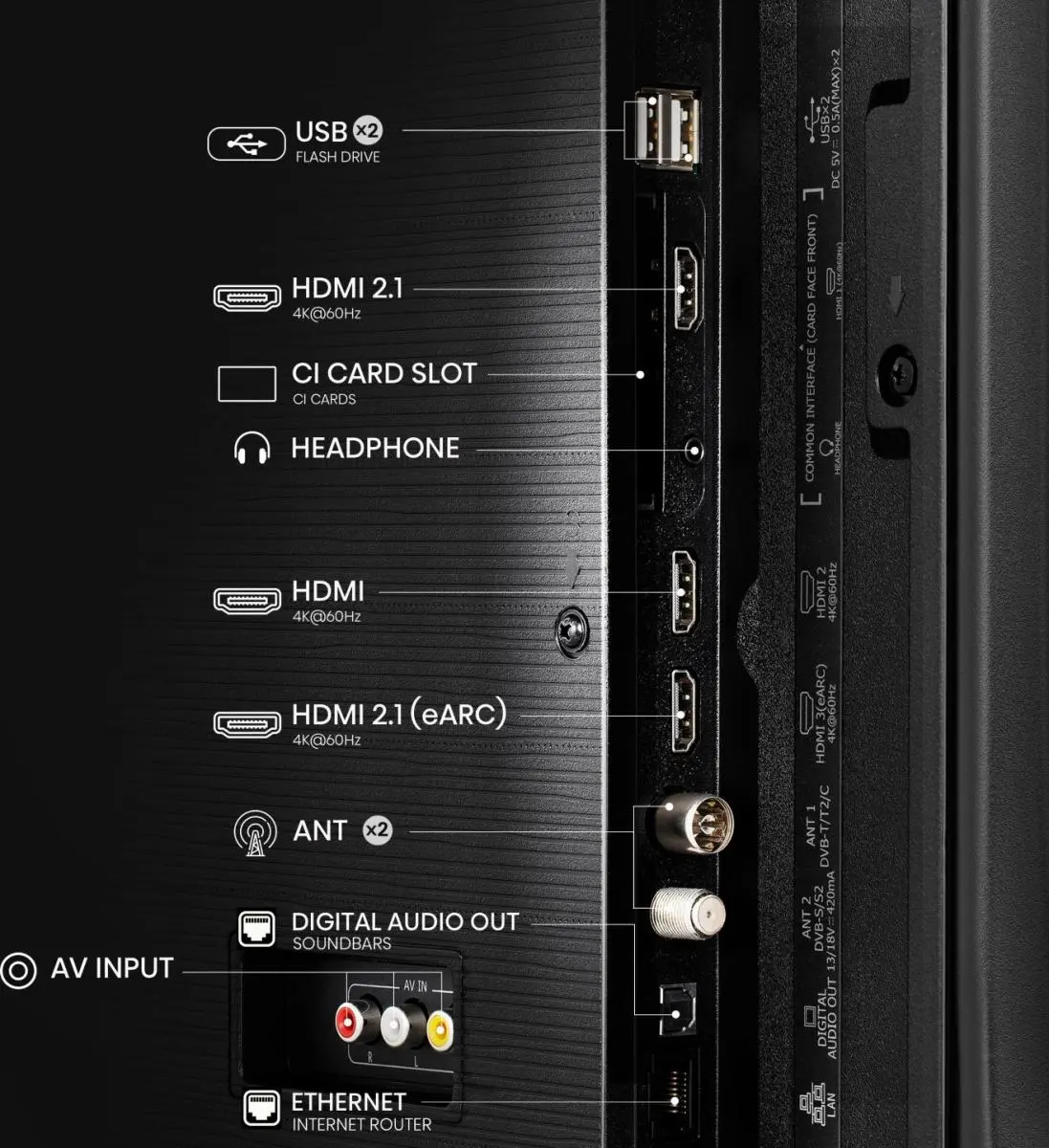
HDMI 2.1: The Essential Gaming Connection
If you're buying a gaming TV today, a HDMI 2.1 connection should be high on your priority list.
HDMI 2.1 output provides the bandwidth required to support advanced gaming features including:
- 4K at 120Hz
- Variable Refresh Rate (VRR)
- Auto Low Latency Mode (ALLM)
- Enhanced Audio Return Channel (eARC)
Without a HDMI 2.1 output , you may not be able to access the full performance capabilities of modern gaming hardware.
Many Hisense gaming TVs feature HDMI 2.1 connectivity, helping ensure compatibility with the latest gaming technologies.
What is Variable Refresh Rate (VRR)?
Variable Refresh Rate, often shortened to VRR, helps synchronise your TV's refresh rate with the output of your gaming console or PC.
Why does that matter?
Without VRR, fast-moving games can sometimes suffer from:
- Screen tearing
- Stuttering
- Inconsistent frame delivery
VRR helps reduce these issues, creating smoother and more consistent gameplay.
Many premium gaming TVs now support VRR as standard, while selected Hisense models also support technologies such as AMD FreeSync Premium for an even smoother gaming experience.

Low Input Lag: Faster Reactions Matter
Input lag refers to the delay between pressing a button on your controller and seeing the action appear on screen.
The lower the input lag, the more responsive your gaming experience feels.
This is particularly important for:
- Online multiplayer games
- Competitive gaming
- Fast reaction-based titles
- Sports and racing games
Gaming-focused Hisense TVs feature dedicated gaming modes designed to reduce input lag and improve responsiveness. Selected models can achieve input lag as low as 7ms at 4K 120Hz, helping ensure your actions are reflected on screen as quickly as possible.
HDR Gaming Creates More Realistic Worlds
Resolution is only part of the gaming experience.
Many modern games are designed with HDR (High Dynamic Range) support, helping create:
- Brighter highlights
- Deeper shadows
- More realistic colours
- Greater depth and realism
Combined with 4K resolution, HDR can dramatically improve the visual quality of games.
Many Hisense gaming TVs support advanced HDR formats including:
- Dolby Vision Gaming
- HDR10+
- HDR10+ Gaming
These technologies help games look more immersive and lifelike.
QLED and 4K Gaming
For many gamers, QLED technology offers an excellent balance of performance and value.
QLED TVs use Quantum Dot technology to deliver:
- Brighter colours
- Stronger HDR performance
- Improved colour accuracy
- Excellent visibility in brighter rooms
This makes QLED particularly well suited to gaming environments where vibrant visuals and bright highlights can enhance immersion.
Many Hisense gaming-focused TVs combine QLED technology with advanced gaming features such as VRR, HDMI 2.1 and high refresh rates.
Features to Look For in a Gaming TV
When choosing a 4K gaming TV, look for:
- 4K Ultra HD resolution
- HDMI 2.1 connectivity
- 120Hz or 144Hz refresh rates
- Variable Refresh Rate (VRR)
- Auto Low Latency Mode (ALLM)
- HDR support
- Gaming Mode
- Fast response times
The more of these features your TV supports, the better equipped it will be to handle modern gaming experiences.
Hisense Gaming TVs
Hisense offers a range of TVs designed with gamers in mind.
Features available across selected models include:
- 144Hz Game Mode PRO
- HDMI 2.1
- Variable Refresh Rate (VRR)
- AMD FreeSync Premium
- Dolby Vision Gaming
- Game Bar controls
- AI Picture enhancement
- QLED colour technology
Together, these technologies help create smoother gameplay, sharper visuals and a more immersive gaming experience.
Whether you're gaming on a console or PC, Hisense gaming TVs are designed to help you get more from every session.
FAQs
Is 4K good for gaming?
Yes. 4K resolution provides significantly more detail than Full HD, helping create sharper and more immersive gaming experiences.
Is 120Hz important for gaming?
For fast-paced games, absolutely. Higher refresh rates create smoother gameplay and can improve responsiveness.
What is VRR?
Variable Refresh Rate synchronises your TV's refresh rate with your gaming hardware to reduce screen tearing and stuttering.
Do I need HDMI 2.1 for gaming?
If you want to enjoy features such as 4K at 120Hz, VRR and ALLM, HDMI 2.1 is highly recommended.
Is QLED good for gaming?
Yes. QLED offers excellent brightness, vibrant colour and strong HDR performance, making it a great choice for gaming.